A Breath of Fresh Air for Thanksgiving

Thanksgiving is a time for family, food, and gratitude. As you prepare to host loved ones, it’s easy to focus on the feast, decorations, and entertainment. However, there’s one often overlooked aspect that can significantly impact your holiday experience: Your home’s air quality. With more guests indoors and cooking smells filling the air, ensuring your air filters are clean and your HVAC system is running efficiently is essential.

HVAC air filters play a crucial role in maintaining healthy indoor air quality. They trap dust, pollen, pet dander, and other airborne particles, ensuring that you breathe cleaner air. During Thanksgiving, when the house is bustling with activity, your HVAC system works overtime to maintain a comfortable temperature. Dirty air filters can reduce airflow, causing your system to work harder, leading to higher energy bills and potential breakdowns.

The increase in cooking activity can also lead to lingering odors and pollutants in the air. Whether it’s the aroma of turkey roasting in the oven or the steam rising from a simmering pot of soup, the air can become thick with particles. A clean air filter helps trap these particles, preventing them from circulating throughout your home.

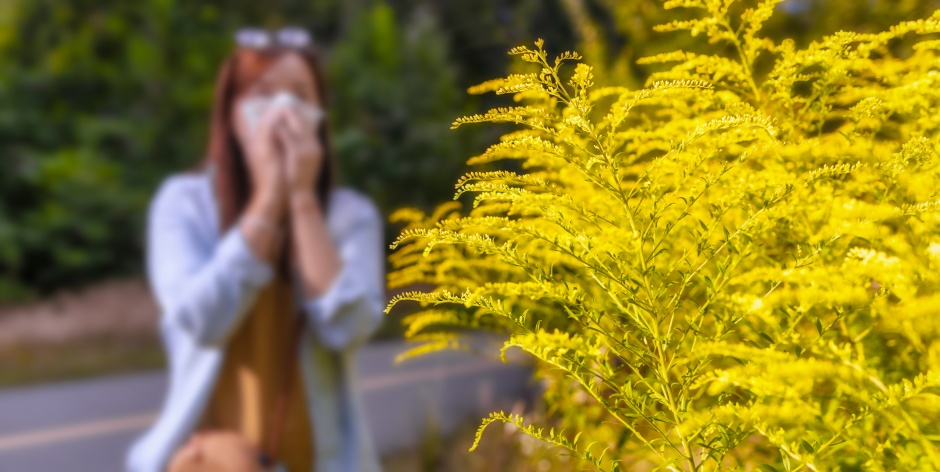
Additionally, if you have guests with allergies or respiratory conditions, clean air filters can make a noticeable difference in their comfort. They help remove allergens and irritants, reducing the risk of sneezing, congestion, or discomfort during the celebration.

This Thanksgiving, as you celebrate with family and friends, don’t forget to give thanks for the clean air you breathe. By maintaining your HVAC air filters, you’re not only ensuring comfort but also contributing to a healthier, more enjoyable holiday experience for everyone in your home. If your air filters need to be replaced, FilterShipping.com is here to help. We have a wide variety of quality, OEM air filters shipped right to your door, in plenty of time to ensure the best quality indoor air for the rest of the holiday season.

Rain, Rain, Go Away!

As spring showers continue, the impact on your home’s indoor air quality often goes unnoticed. Yet, the frequent spring rains can significantly affect the air we breathe indoors. From increased humidity levels to potential mold growth, the consequences of spring rains on indoor air quality are substantial. However, there’s help! Fresh air filters are an easy way to keep your home’s indoor air healthy.

Understanding the Impact of Spring Rains
With spring rains comes humidity, creating an optimal environment for mold and mildew to thrive. Moisture seeps into the home through various avenues, including leaky roofs, cracks in the foundation, or poorly sealed windows and doors. Once inside, it lingers, fostering the growth of mold spores which can trigger allergies and respiratory issues.

Moreover, damp conditions can also exacerbate the presence of dust mites, another common indoor allergen. Dust mites flourish in humid environments, proliferating in bedding, upholstery, and carpets, thus posing a continuous threat to indoor air quality.

The Role of Fresh Air Filters
Fresh air filters are defenders against the onslaught of pollutants ushered in by spring rains. These filters, installed within heating, ventilation, and air conditioning (HVAC) systems, serve as the first line of defense against airborne contaminants in the following ways:

  1. Removing Airborne Particles: Fresh air filters trap airborne particles, including mold spores, dust mites, pollen, and pet dander, preventing them from circulating throughout the home.
  2. Enhancing Air Circulation: Efficient air filters facilitate better air circulation within the home, ensuring a constant flow of fresh air. This circulation aids in preventing stagnant air pockets where moisture and pollutants accumulate.
  3. Improving Respiratory Health: By capturing allergens and other airborne irritants, fresh air filters contribute to improved respiratory health. This is particularly beneficial for individuals prone to allergies, asthma, or other respiratory conditions.

Maintenance and Care
To receive full benefits from fresh air filters, regular maintenance is important. Routine inspection and replacement of filters ensures optimal performance. It’s a great idea to have fresh replacement filters on hand at all times. Additionally, addressing any sources of moisture intrusion, such as leaky pipes or inadequate ventilation, complements the efforts of air filters in maintaining indoor air quality.

In conclusion, while spring rains may pose challenges to indoor air quality, the installation of fresh air filters is an easy and effective solution, especially when ordering from FilterShipping.com. Simply choose your filter from our extensive line of quality, OEM filters, and we’ll ship them right to your door.

Don’t wait until the spring rains get the best of your home’s indoor air, order from FilterShipping.com today!

Where You Live Matters: Check your HVAC Air Filter!

There are certain parts of the United States where it’s especially important to have a fresh HVAC filter due to varying environmental factors. Whether you live in one of the areas below or anywhere else, it’s always a good idea to check and make sure your air filter is up to date.

  1. High Pollen Areas: Regions with high pollen counts, such as the Southeastern United States in spring, can benefit greatly from fresh HVAC filters to help reduce indoor allergens.
  2. Urban Areas: Cities with higher levels of pollution may require more frequent filter changes to maintain indoor air quality.
  3. Humid Climates: Areas with high humidity levels, like the Southeast and Gulf Coast, may experience increased mold growth, making it crucial to replace filters regularly to prevent mold spores from circulating indoors.
  4. Desert Areas: Regions with desert climates, such as the Southwest, may have higher levels of dust and sand particles in the air, necessitating more frequent filter changes to keep indoor air clean.
  5. Wildfire-Prone Areas: Areas prone to wildfires, such as parts of California, may experience periods of poor air quality due to smoke and ash, making it important to replace filters more often during wildfire season.

In general, no matter where you live it’s a good idea to monitor the air quality and inspect your HVAC filter regularly to determine if it needs to be replaced for optimal performance and indoor air quality. When you’re ready to order, go to FilterShipping.com for the best selection of quality, OEM air filters shipped right to your door.

Allergy Season and MERV Ratings

As allergy season approaches, understanding MERV ratings in air filters becomes particularly important for maintaining indoor air quality and mitigating allergy symptoms. MERV, which stands for Minimum Efficiency Reporting Value, is a standardized rating system used to measure the effectiveness of air filters in trapping airborne particles. The higher the MERV rating, the better the filter is at capturing particles of various sizes. Here’s a breakdown of MERV ratings and their significance during allergy season:

  1. MERV Ratings Scale:
    • MERV ratings typically range from 1 to 20, with higher numbers indicating better filtration efficiency.
    • The higher the MERV rating, the more effective the air filter is at capturing smaller particles such as pollen, mold spores, pet dander, and even bacteria and viruses.
  2. Allergy Season Considerations:
    • During allergy season, airborne allergens like pollen and mold spores are prevalent outdoors and can easily find their way indoors through open windows and doors.
    • Using air filters with higher MERV ratings can help trap these allergens, preventing them from circulating in indoor air and exacerbating allergy symptoms.
  3. Choosing the Right MERV Rating:
    • For individuals with allergies or respiratory sensitivities, selecting air filters with MERV ratings between 8 and 13 is often recommended. These filters strike a balance between efficient particle capture and airflow resistance.
    • Filters with MERV ratings higher than 13 are typically used in environments with specific air quality requirements, such as hospitals, clean rooms, or industrial facilities.
  4. Balancing Filtration Efficiency and Airflow:
    • While higher MERV-rated filters offer superior filtration efficiency, they may also restrict airflow more than lower-rated filters. It’s essential to strike a balance between filtration performance and maintaining adequate airflow in HVAC systems.
    • HVAC systems with lower airflow due to highly restrictive filters may lead to reduced comfort, increased energy consumption, and potential strain on the system.
  5. Regular Filter Maintenance:
    • Regardless of the MERV rating, it’s crucial to regularly inspect and replace air filters regularly. Clogged or dirty filters can impede airflow and reduce filtration efficiency, compromising indoor air quality. When you order from FilterShipping.com, you will receive a reminder email when it’s time to reorder.
  6. Considerations for HVAC Systems:
    • Before upgrading to a higher MERV-rated filter, it’s essential to ensure that your HVAC system can accommodate the increased airflow resistance. Consult with an HVAC professional if you’re unsure about the compatibility of your system with higher-rated filters.

In summary, understanding MERV ratings and selecting appropriate air filters are essential steps in maintaining indoor air quality, especially during allergy season. Choosing filters with MERV ratings tailored to your specific needs can help reduce exposure to airborne allergens and improve overall comfort and well-being indoors. Click HERE for more information about MERV ratings.