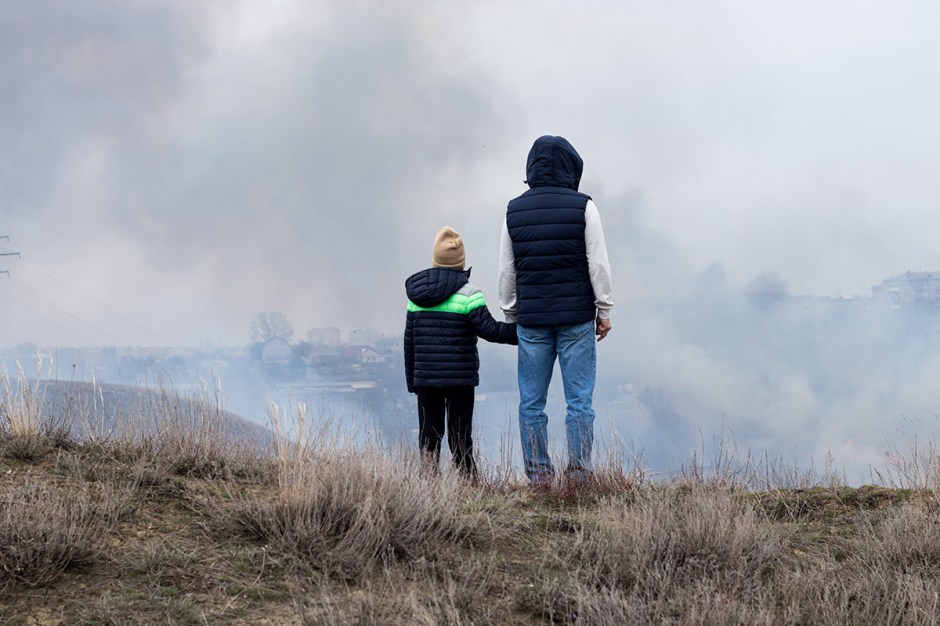
Wildfire Smoke and Indoor Air: What You Need to Know

When a wildfire makes the news, our thoughts are with the families forced to evacuate, the firefighters on the front lines, and the communities facing an uncertain road to recovery. But even if the flames are hundreds of miles away, the smoke often isn’t. Tiny airborne particles can travel remarkable distances, affecting air quality in places that never see the fire itself, and making the air inside our homes more important than ever.

Wildfire smoke doesn’t recognize state lines. Fine particulate matter, known as PM2.5, can travel remarkable distances on changing weather patterns, creating hazy skies and unhealthy air quality far from the source of the fire. For older adults, children, and anyone with asthma, allergies, or other respiratory conditions, those microscopic particles can present a serious health concern. Even healthy individuals may notice irritated eyes, scratchy throats, headaches, or difficulty breathing when smoke levels rise.

While there’s little we can do about the air outside, we have much more control over the air inside our homes.

Your HVAC system serves as your home’s first line of defense, continuously circulating and filtering the air your family breathes. But its effectiveness depends largely on one often-overlooked component: the air filter.

A quality OEM HVAC air filter from FilterShipping.com, designed specifically for your heating and cooling equipment, helps capture dust, pollen, smoke particles, and other airborne contaminants while maintaining the proper airflow your system was engineered to deliver. Generic filters may seem like a bargain, but many sacrifice filtration performance, airflow, or construction quality—compromises that can affect both indoor air quality and HVAC system efficiency.

During periods of poor outdoor air quality, it’s also wise to check your filter more often than usual. Wildfire smoke can load a filter with fine particles much faster than everyday household dust, reducing its ability to trap additional contaminants and forcing your system to work harder. Replacing a dirty filter promptly with a quality OEM filter from FilterShipping.com helps your HVAC system continue doing what it’s was designed to do: protect your comfort while delivering cleaner air throughout your home.

For households seeking even greater protection from wildfire smoke, seasonal allergies, or other indoor air quality concerns, a portable HEPA air cleaner can provide another valuable layer of filtration. FilterShipping.com‘s current Deal of the Day, the Goodman AMHP-250-UPP Portable HEPA Air Cleaner, is on sale for $700, a savings of $150. Used alongside your home’s HVAC system and a quality OEM filter, it can help reduce airborne particles in the rooms where your family gathers the most.

Wildfires may be beyond our control, but the quality of the air inside our homes doesn’t have to be. Investing in genuine OEM HVAC filters from FilterShipping.com—and considering supplemental HEPA filtration when conditions warrant—can help you breathe a little easier, no matter what the forecast or the headlines bring.

Protecting Your Indoor Air Quality from the Canadian Wildfire Smoke

Improving your home’s air quality is crucial, especially during times when there are wildfires in your vicinity. Here are some ways to enhance your home’s air quality:

  1. Keep doors and windows closed: During periods of intense wildfire activity, it’s essential to prevent outdoor smoke from entering your home. Keep all doors and windows tightly closed to minimize the infiltration of smoky air.
  2. Use high-quality air filters: Invest in high-efficiency air filters for your HVAC system. Look for filters with a Minimum Efficiency Reporting Value (MERV) rating of 13 or higher, as they can capture smaller particles effectively, including smoke particles. Please click here for more information regarding how to choose the correct air filter: https://www.filtershipping.com/choosing-an-air-filter-s/2030.htm
  3. Consider using air purifiers: Portable air purifiers with HEPA (High-Efficiency Particulate Air) filters can help remove smoke particles from indoor air. Place them in rooms where you spend the most time, such as bedrooms and living areas. Also consider Whole House Air Cleaners, that work with your furnace and/or air conditioner. Learn more here: https://www.filtershipping.com/whole-house-air-cleaners-s/1878.htm
  4. Seal air leaks: Seal any gaps or cracks around windows, doors, and other openings to prevent smoke from entering your home. Weatherstripping and caulking can be used to seal these areas effectively.
  5. Limit indoor pollution sources: Minimize activities that can introduce pollutants into the air, such as smoking, using candles or incense, or burning wood in fireplaces. Avoid using harsh cleaning products or aerosol sprays that can contribute to poor indoor air quality.
  6. Maintain proper ventilation: Although it’s crucial to keep doors and windows closed during wildfires, it’s also important to ensure adequate ventilation. Run your exhaust fans in the kitchen and bathrooms to remove pollutants.
  7. Monitor outdoor air quality: Stay informed about the air quality index (AQI) in your area. Several online platforms and smartphone apps provide real-time updates on air quality. If the AQI is high due to wildfires, it’s advisable to limit outdoor activities and keep your home sealed.
  8. Create a clean entryway: Designate an area near the main entrance of your home as a “clean entryway.” This can be a space where you remove your shoes, jackets, and outerwear to prevent tracking in outdoor pollutants.
  9. Keep indoor humidity in check: High humidity levels can worsen indoor air quality and promote the growth of mold and other allergens. Use a dehumidifier if necessary to maintain humidity levels between 30% and 50%. Consider a Whole House Humidifier. Read more here: https://www.filtershipping.com/whole-house-humidifiers-s/1875.htm
  10. Stay informed and follow local guidelines: Keep yourself updated on guidelines and recommendations issued by local authorities regarding wildfire smoke. They may provide specific instructions to help protect your health and improve indoor air quality during such events.

Remember, it’s crucial to prioritize your health and safety during wildfires. If you have respiratory conditions or concerns, consult with a healthcare professional for personalized advice.